

Dr Dayo Mobereola, Director General, Nigerian Maritime Administration and Safety Agency, NIMASA
The Nigerian Maritime Administration and Safety Agency, NIMASA, has announced that its current administration has stepped up the game, and has fully deployed digital technology using satellite to track vessel activities, generate smart invoices, and alerts, among other regulatory interactions
According to a media statement by NIMASA, signed by Osagie Edward, FNIPR, Head, Public Relations, the game changer is the Maritime Enhanced Monitoring System, (MEMS), said to be “a pivotal innovation which brings digital traceability to the core of Nigeria’s maritime operations.”
The statement revealed that MEMS was the fallout from “a comprehensive internal review of operational systems, where the current leadership of NIMASA resolved to embrace technology as a means of enhancing the Agency’s capacity to deliver on its regulatory mandate more effectively, and to bring into the coffers of government additional revenue to ensure funds due government does not end up in private hands”.
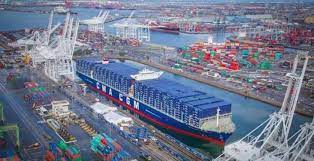
The statement explained that MEMS had brought “digital traceability to the core of Nigeria’s maritime operations as it provides real-time visibility of vessel movements, operational logs, and regulatory interactions”.
It noted that, MEMS also facilitates “automated alerts, smart invoicing, and centralized data integration which now enables NIMASA to now detect, document, and respond to maritime activities with greater precision and efficiency thus eliminating unnecessary bottlenecks while strengthening compliance”.
Other recipients that MEMS had made tracking become fun are “waste reception services, a routine operation for both domestic and international vessels which traditionally lacked proper tracking and had often resulted in unmonitored activities and significant revenue losses, is now an experience in the past.
The statement explained that, “with MEMS, each waste offload can be logged, time-stamped, and automatically billed, {automated billing system} converting previously missed opportunities into a consistent revenue stream while ensuring environmental standards are met”.
Another erstwhile assault to the marine ecosystem, which is often elusive to track, especially with the analogue approach, is the marine pollution control. But with the integration of modern surveillance systems, digital logbooks, and real-time alerts, NIMASA can now respond swiftly to such incidents, recover environmental damages, and hold polluters accountable, both legally and financially
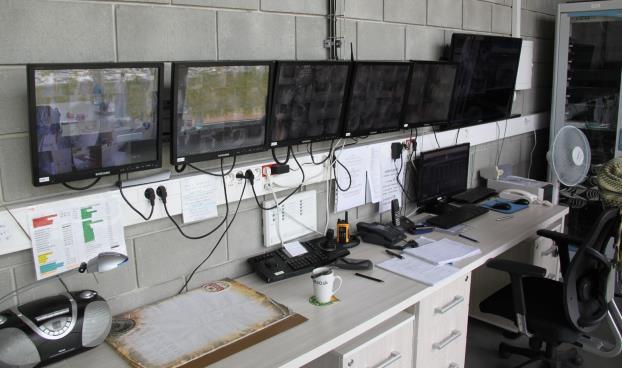
However, the statement acknowledgement that past revenue shortfalls experienced by the agency mainly stemmed from outdated manual processes, fragmented data systems, and insufficient digital enforcement mechanisms which allowed some external elements to capitalize on the loopholes for personal gains.
Hence, the current reforms are focused squarely on overcoming these limitations through investment in digital infrastructure, culminating in streamlining monitoring systems.
Thus the agency is now appropriately positioned to fulfill its statutory obligations with transparency, efficiency, and accountability.

The media statement refuted in its entirety as false, the allegation that NIMASA has embarked on a concession of its operations rather it reiterated that the agency has plunged into Digital Reform to enhance Regulatory Governance, Shipping Development and Revenue Optimization.
The statement appealed to members of the public to shun the unfounded rumor and similar media reports but support NIMASA’s transformation trajectory as it aligns with the broader national objectives of the Ministry of Marine and Blue Economy under the Renewed Hope Agenda of President Bola Ahmed Tinubu, GCFR.
About Post Author